



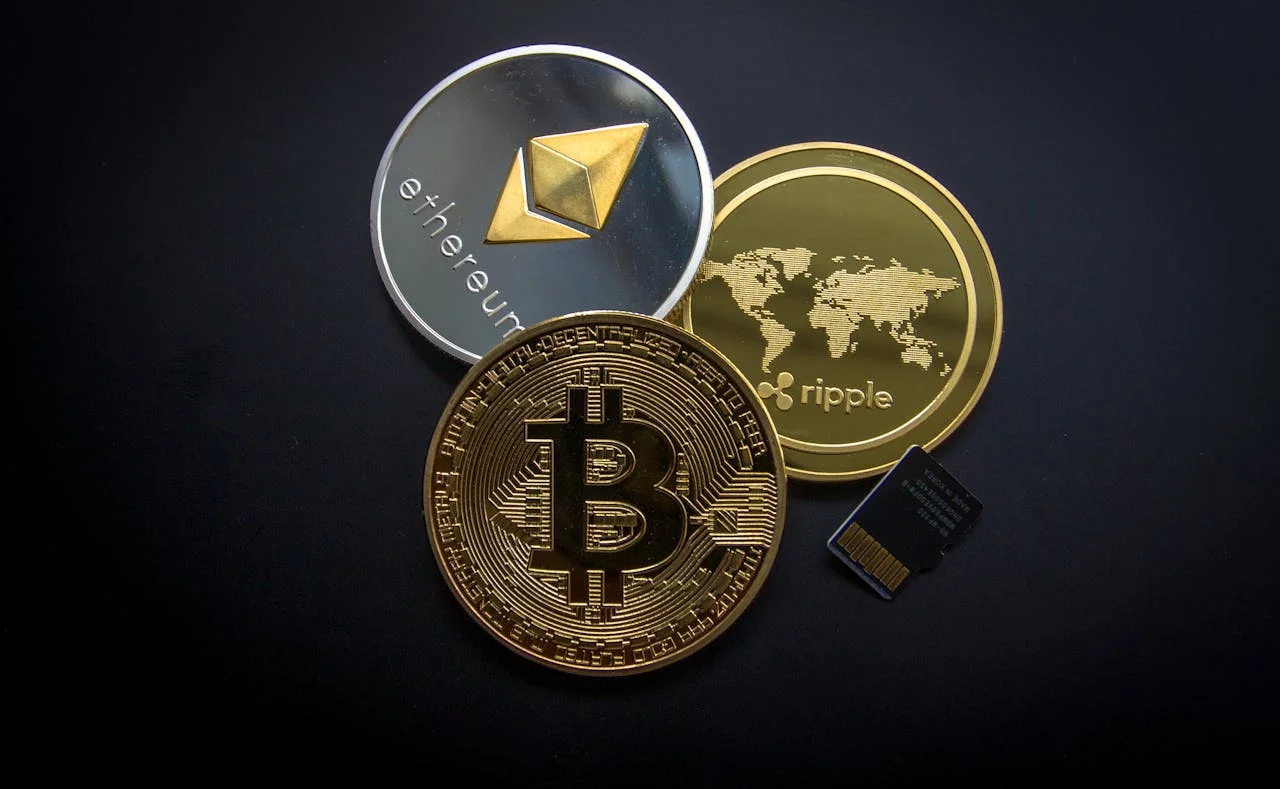
Entering the world of digital assets requires a reliable gateway, and choosing the right cryptocurrency exchange is your most critical first step. In 2026, the crypto landscape is more regulated, feature-rich, and competitive than ever before. Whether you are a complete beginner stepping into the Cryptropedia Academy for the first time or an experienced trader seeking advanced tools, the platform you choose will directly impact your profitability and security.
- Why Choosing the Right Cryptocurrency Exchange Matters
- How We Evaluated the Best Exchanges
- The Big Three: Top Centralized Exchanges in 2026
- 1. Binance: Best for High Volume and Low Fees
- 2. Coinbase: Best for Absolute Beginners
- 3. Kraken: Best Overall for Security and Pro Features
- Head-to-Head Comparison: Binance vs Coinbase vs Kraken
- Exploring Decentralized Exchanges (DEXs): The Future of Trading
- How to Choose the Best Crypto Exchange for Your Needs
- Which crypto exchange has the lowest fees in 2026?
- Is Coinbase safer than Binance?
- Can I buy crypto without KYC verification?
- Final Thoughts: Securing Your Assets
This comprehensive comparison breaks down the top centralized and decentralized exchanges in 2026, evaluating their fees, security protocols, and user experience to help you make an informed decision.
Why Choosing the Right Cryptocurrency Exchange Matters
Unlike traditional stock brokerages, crypto exchanges operate 24/7 and vary wildly in their fee structures and security measures. When evaluating an exchange, you must consider three primary factors:
- Trading Fees: High fees can quickly eat into your investment capital, especially if you plan on dollar-cost averaging (DCA) or using trading bots. Understanding the difference between maker and taker fees is essential for long-term profitability.
- Security: The “not your keys, not your crypto” rule still applies. However, modern exchanges have vastly improved their custody solutions with cold storage and insurance funds.
- Asset Variety: If you only want Bitcoin or Ethereum, any major exchange will do. If you want to explore emerging altcoins or DeFi tokens, you need a platform with high liquidity and a diverse range of supported assets.

How We Evaluated the Best Exchanges
To provide you with a reliable and authoritative guide, our editorial process goes beyond reading marketing material. We actively evaluated these platforms by analyzing their real-world fiat on-ramps, evaluating trading pairs to assess liquidity, and scrutinizing their cold storage custody solutions. We prioritized exchanges that demonstrate strong digital asset security, transparent Proof of Reserves, and verifiable compliance with global regulatory frameworks.
The Big Three: Top Centralized Exchanges in 2026
While hundreds of platforms exist, three industry giants consistently dominate the market due to their reliability, volume, and robust feature sets.
1. Binance: Best for High Volume and Low Fees
Binance remains the undisputed heavyweight champion regarding sheer trading volume and market depth. It caters heavily to active traders globally, supporting over 500 cryptocurrencies.
- The Advantage: Binance charges a base rate of just 0.10% for both maker and taker fees, making it incredibly cost-effective.
- The Bonus: Users who pay fees using Binance Coin (BNB) receive an additional 25% discount.
- Keep in Mind: Its advanced interface can be intimidating for absolute beginners. It also features a complex array of derivatives and earning products that require a steep learning curve.
2. Coinbase: Best for Absolute Beginners
If you are buying your very first fraction of Bitcoin, Coinbase is widely considered the gold standard for user-friendliness. As a publicly traded company in the US, it offers a highly regulated, transparent, and secure environment.
- The Trade-off: Its premium, intuitive interface comes with notably higher standard fees, typically charging around 0.40% for makers and 0.60% for takers.
- The Verdict: Despite the costs, its strict security track record and integrated educational tools make it the safest bet for newcomers.
3. Kraken: Best Overall for Security and Pro Features
Kraken strikes the perfect balance between Coinbase’s security and Binance’s advanced trading features. Founded in 2011, it boasts an immaculate security record with zero major platform hacks.
- The Features: Supporting over 90 cryptocurrencies, Kraken offers deep liquidity, competitive fees (0.25% maker / 0.40% taker), and excellent customer service.
- The Verdict: Uniquely suited for intermediate traders wanting institutional-grade security alongside advanced tools like margin trading and futures.
More Read

Head-to-Head Comparison: Binance vs Coinbase vs Kraken
To help you decide, here is a quick breakdown of how the top centralized platforms compare in 2026:
| Feature/Metric | Binance (International) | Coinbase | Kraken |
| Best Suited For | Active Traders & Altcoin Hunters | Absolute Beginners | Security-Conscious & Intermediate Traders |
| Supported Coins | 500+ | 120+ | 90+ |
| Maker/Taker Fees | 0.10% / 0.10% | 0.40% / 0.60% | 0.25% / 0.40% |
| Platform Token | Yes (BNB provides fee discounts) | No | No |
| Ease of Use | Steep Learning Curve | Highly Intuitive | Moderate Learning Curve |
Exploring Decentralized Exchanges (DEXs): The Future of Trading
As you progress in your crypto journey, you will inevitably encounter Decentralized Exchanges (DEXs) like Uniswap and PancakeSwap.
Unlike centralized middlemen holding your funds, DEXs utilize Automated Market Makers (AMMs). This allows you to trade directly from your private crypto wallet via smart contracts. They are essential for accessing brand-new tokens before they list on major exchanges and offer complete financial privacy. However, they require a solid understanding of network gas fees, slippage, and self-custody security.
How to Choose the Best Crypto Exchange for Your Needs
Selecting your platform comes down to your personal investment goals:
- If you are investing your first $100: Start with Coinbase. The slightly higher fees are worth the intuitive interface and educational safeguards.
- If you plan to day trade or use trading bots: Go with Binance. The 0.10% trading fees will save you a massive amount of money over hundreds of automated transactions.
- If you want to buy, hold, and stake securely: Choose Kraken. Its ironclad security infrastructure and transparent proof-of-reserves make it a safe long-term partner.
Which crypto exchange has the lowest fees in 2026?
For active retail traders, Binance and KuCoin currently lead the market with standard trading fees starting at roughly 0.10% for both makers and takers. You can further reduce these costs on Binance by utilizing their native BNB token for fee payments.
Is Coinbase safer than Binance?
While both utilize industry-leading cold storage, Coinbase operates as a publicly traded U.S. company with stringent SEC regulatory oversight. Many beginners find this transparency makes it a safer, more predictable environment than offshore alternatives.
Can I buy crypto without KYC verification?
In 2026, almost all reputable centralized exchanges require Know Your Customer (KYC) identity verification to comply with Anti-Money Laundering (AML) laws. To trade without KYC, you must use a non-custodial wallet and a Decentralized Exchange (DEX).
Final Thoughts: Securing Your Assets
Choosing the best cryptocurrency exchange in 2026 is only the first half of the equation. Leaving large amounts of crypto on any exchange exposes you to unnecessary third-party risks.
Once you have made your purchase, the best practice is to transfer your holdings into a secure hardware wallet. If you are ready to take full ownership of your digital wealth, head over to our complete Cryptropedia Academy guide on Crypto Wallets Explained: Hot Wallets, Cold Wallets and Custody Solutions to learn how to lock down your investments like a pro.