




The digital asset landscape moves fast, but criminals move faster. Having navigated multiple market cycles, I have seen firsthand how easily even experienced traders lose funds to a well-crafted trap. Scammers stole tens of billions of dollars through crypto fraud in recent years. Entering 2026, we face a highly sophisticated wave of Web3 security threats driven by AI, automation, and flawless social engineering. Ignore the latest cryptocurrency scams 2026 has to offer, and your entire portfolio remains at risk.
- The Top 10 Crypto Scams to Watch For
- 1. The “Pig Butchering” Romance Scam
- 2. AI Deepfake Crypto Fraud
- 3. Impersonation Crypto Scams
- 4. Crypto Recovery Scams
- 5. Address Poisoning Attacks
- 6. Fake Crypto Exchanges
- 7. Wallet Drainer Malware
- 8. Rug Pulls & Honey Pots
- 9. Fake Airdrops & Phishing Links
- 10. Cloud Mining & Ponzi Schemes
- Protect Your Crypto Wallet
- Frequently Asked Questions
The Top 10 Crypto Scams to Watch For
1. The “Pig Butchering” Romance Scam
The pig butchering romance scam is one of the most devastating digital asset scams 2026 has seen. This is a long-term crypto grooming scam where fraudsters build deep emotional trust over weeks or months. It often starts innocently as a “wrong number” text or a WhatsApp crypto investment scam. Once a connection is established, the scammer introduces an exclusive, high-yield trading platform.

They allow you to make a small, successful withdrawal to build confidence before encouraging massive deposits. Avoid taking financial advice from strangers in a Telegram crypto trading groups scam. This social engineering crypto fraud relies entirely on emotional manipulation.
2. AI Deepfake Crypto Fraud
Artificial intelligence has completely weaponized traditional blockchain scam tactics. We are seeing a massive spike in the deepfake celebrity crypto giveaway. Scammers use an AI voice cloning scam or a flawlessly rendered fake Elon Musk crypto video to convince victims to send tokens to a “doubling” address. These AI-generated phishing attacks rely on synthetic identity fraud crypto tactics that easily bypass human intuition.
I almost fell for an AI-generated deepfake video on X (formerly Twitter) last month. The audio synced perfectly with the speaker’s lips, and the account featured a verified checkmark. Always remember the golden rule of crypto: if a celebrity is giving away free digital assets, it is a scam.
3. Impersonation Crypto Scams
Trusting the wrong customer service agent can wipe out your funds in seconds. The fake Binance support scam is a prime example of this threat. Scammers execute impersonation on Discord crypto channels, directly messaging users who ask technical questions in public servers.
They will promptly send a link to a spoofed exchange website or a cloned login page crypto portal to steal your credentials. If you are participating in airdrops, watch out for the crypto giveaway impersonation trap, where fake admin accounts ask for a preliminary “gas fee” to release your tokens.
4. Crypto Recovery Scams
If you lose money to a scam, you will almost certainly be targeted again. Enter the fake crypto recovery agent. These fraudsters lurk in comment sections and social media threads, claiming they run a specialized blockchain investigator scam operation. They execute a textbook advance fee recovery fraud, demanding upfront payment for server costs or proprietary decryption tools. Whether it is a lost bitcoin recovery scam or a hacked wallet, remember that blockchain transactions are permanently immutable.
5. Address Poisoning Attacks
Scammers now actively manipulate how you copy and paste your wallet addresses. In a blockchain address poisoning attack, a hacker sends a microscopic amount of crypto to your wallet. This is known as an ERC-20 dust transactions or a dusting attack crypto event. The attacker uses a vanity address generator so their address looks almost identical to one you frequently use. The entire goal is transaction history manipulation. The next time you copy an address from your recent transfers, you accidentally grab the malicious wallet address injection and send your funds directly to the hacker.
See Also: How Does Blockchain Work?
6. Fake Crypto Exchanges
Not all trading platforms on the market are legitimate. Unregulated crypto trading platforms and scam crypto apps frequently bypass app store filters. They operate as a fake liquidity crypto platform, displaying artificial order books and fake volume. You deposit funds, trade successfully, and watch your dashboard balance grow. However, when you attempt to cash out, you hit a withdrawal blocked exchange scam. The platform demands exorbitant “taxes” or “verification fees” to release your funds, eventually pulling a rug pull exchange exit and vanishing.
7. Wallet Drainer Malware
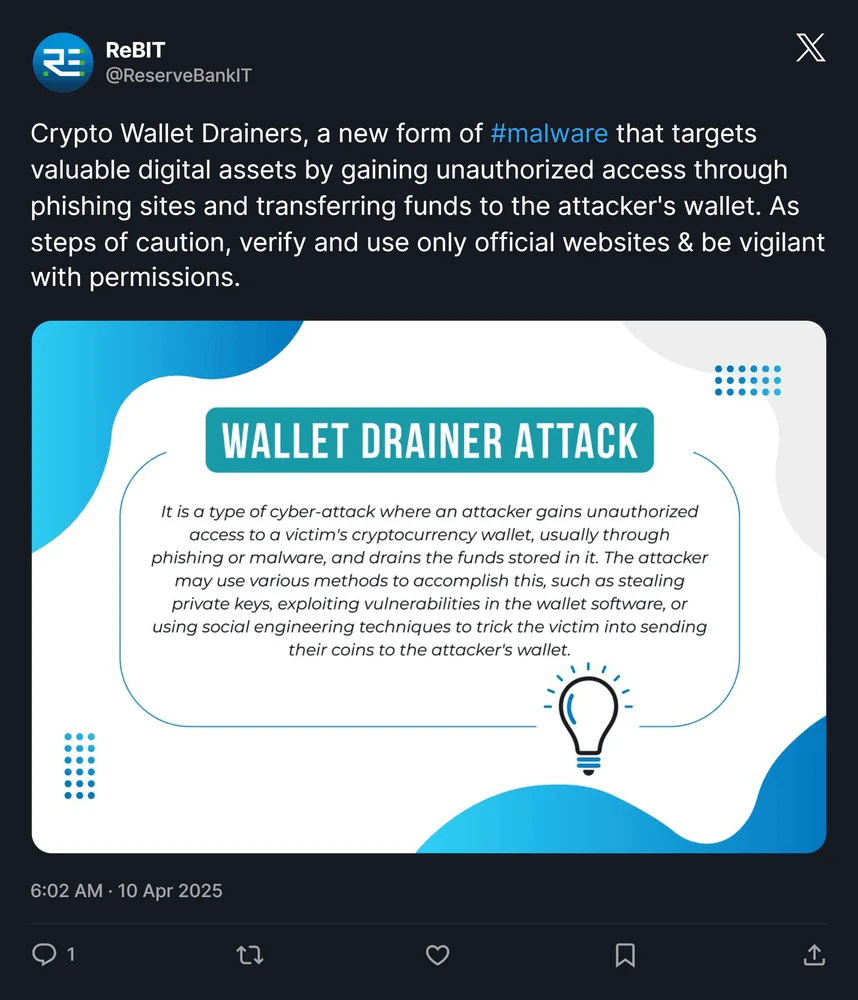
One wrong click can instantly empty your entire portfolio. Wallet drainer malware often disguises itself as a free NFT mint, airdrop claim, or exclusive presale. Victims unknowingly grant malicious smart contract approval, giving the attacker permission to withdraw all specific tokens from their balance. We are tracking a severe rise in the NFT wallet drainer and browser extension crypto malware. Criminals also use clipboard hijacking crypto malware to seamlessly swap out wallet addresses when you copy them, alongside the classic seed phrase theft scam.
8. Rug Pulls & Honey Pots
Developers launch a shiny new token, hype it up on social media, and wait for retail investors to pour in liquidity. In a classic rug pull, the founders suddenly withdraw all the liquidity pool funds, crashing the token to zero. In a honey pot, the smart contract allows you to buy the token, but physically restricts you from selling it. Always verify the contract code before buying into a micro-cap coin.
9. Fake Airdrops & Phishing Links
Fraudsters create exact replicas of legitimate decentralized finance (DeFi) protocols and promote a “massive airdrop.” When you connect your wallet to claim your free tokens, the phishing site prompts you to sign a transaction that actually transfers your assets to the scammer’s wallet. Never click links from unverified social media accounts.
10. Cloud Mining & Ponzi Schemes
Cloud mining platforms promise guaranteed daily returns if you rent their mining hardware remotely. The vast majority of these are outright Ponzi schemes. They use deposits from new users to pay “yields” to early investors. Once new sign-ups dry up, the site goes offline, taking your initial deposit with it.
Protect Your Crypto Wallet
Understanding new crypto fraud trends is only half the battle. You need proactive cryptocurrency fraud prevention strategies to combat these trending blockchain scams and protect your portfolio.
- Use cold storage crypto safety to keep long-term holdings offline.
- Rely on hardware wallet protection to ensure private keys never touch an internet-connected device.
- Verify smart contracts before signing by using tools to monitor and revoke unnecessary token approvals.
- Enable two-factor authentication crypto using hardware security keys rather than easily hijacked SMS codes.
- Identify crypto scam warning signs like unsolicited direct messages, guaranteed high returns, and high-pressure sales tactics.
See Also: What is Cryptocurrency?
You can stay informed on global crypto crime trends and blockchain fraud losses by regularly reviewing the latest FBI crypto crime report or an official SEC crypto warning. Staying educated on crypto scam statistics 2026 is your best defense against evolving crypto phishing attacks.
Frequently Asked Questions
What are the most common crypto scams in 2026?
The most common scams include AI deepfake celebrity giveaways, pig butchering romance scams, fake crypto recovery agents, wallet drainer malware, and blockchain address poisoning. Scammers are increasingly using artificial intelligence to automate and scale these frauds.
How to protect your crypto wallet from drainers?
Never click on unverified airdrop links, always verify smart contract permissions before signing, use hardware wallets for cold storage, and never share your seed phrase. You should also regularly revoke unused smart contract approvals using blockchain explorer tools.
Can a crypto recovery expert actually get my money back?
No. Most crypto recovery experts are scammers running an advance fee fraud. Because blockchain networks are decentralized and immutable, no private individual or software can reverse a confirmed transfer.
What is a pig butchering crypto scam?
Pig butchering is a long-term social engineering scam where a fraudster builds a fake romantic or platonic relationship with a victim. Once trust is established, the scammer manipulates the victim into depositing funds into a fake crypto investment platform before stealing the money.
Financial Disclaimer: The information provided in this article is for educational and informational purposes only and does not constitute financial, investment, or legal advice. Cryptocurrency markets are highly volatile, and you should always conduct your own research (DYOR) or consult with a licensed financial advisor before making any investment decisions. Cryptropedia and its authors are not responsible for any financial losses incurred.